
成分
椰子油
Cocos nucifera
好處
Natural
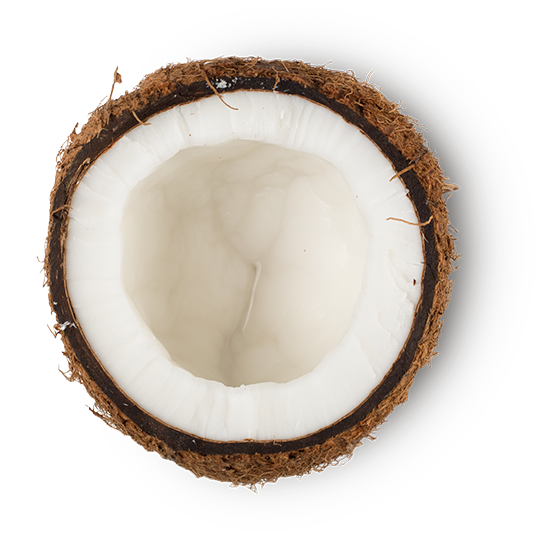
We use coconut oil in the base of our iconic soaps. It adds to the soft creamy lather you know and love, while allowing us to use a totally vegetarian and palm free soap base.
Coconut oil is extracted from the inner flesh of the coconut. It takes around 25 coconuts to produce 1kg of oil. The oil, alongside rapeseed oil, is heated with sodium hydroxide and water in a process known as saponification.
What are the benefits of coconut oil in our soap base?
- A 100% vegetarian alternative to traditional soap bases
- It is palm free
- Helps create a softening lather
How does Lush make soap?
Soap making developed gradually in history, retaining much of the same process over time: oils and fats are boiled with an alkali to produce soap and glycerine. Historically, the fats used were mostly beef or sheep tallow, with olive oil, palm and coconut joining the list later.
Of course, Lush has never used animal fats, favouring vegetable oils instead. In 2007, we felt that it was time for us to take things a step further, so we re-invented the vegetable soap base to make it palm oil-free. We worked with a leading UK soap-base manufacturer and developed a sunflower, rapeseed and coconut oil-base. We've now settled on a formula with just rapeseed and coconut oil, as we feel this gives our soap the properties we want.
The oils are heated with sodium hydroxide and water, which results in a chemical reaction known as saponification. The soap can then be separated from the mixture using salt, and dried to give the solid base that is used in soap production.